

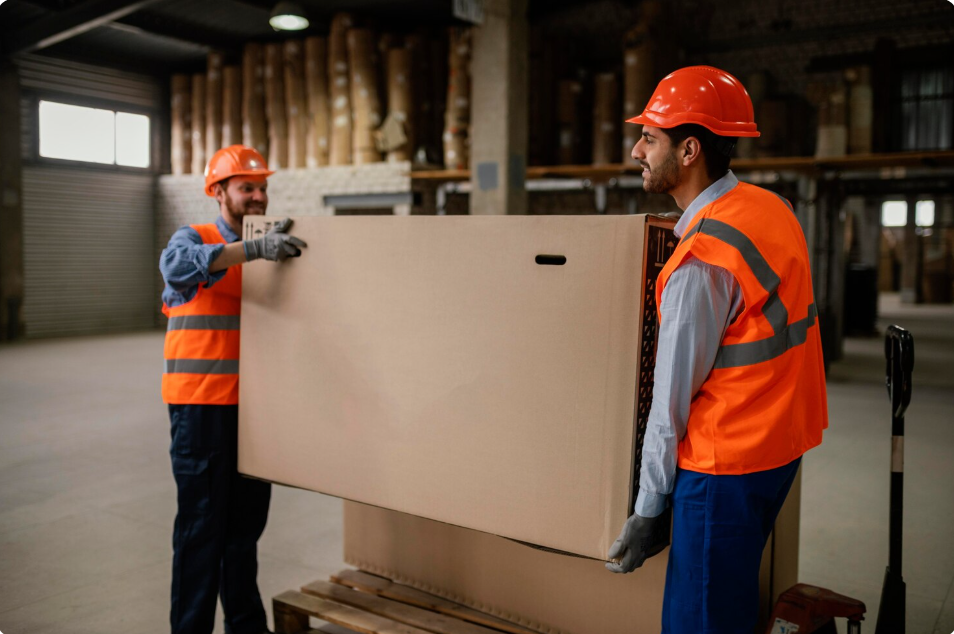
Some industrial shipments are easy to package. Others create constant headaches. Long, narrow, and fragile products fall into the second category.
Items like rolled materials, posters, blueprints, carpet samples, textiles, protective films, machine components, and engineered parts often arrive bent, crushed, or scuffed—not because the product is weak, but because the packaging wasn’t designed for the shape.


That’s why industrial packaging for long items requires a different approach than standard cartons. The right packaging prevents bending, resists compression, and protects edges during handling.
In this guide, we’ll cover the most effective packaging strategies for long industrial products, how to choose the right materials, and how to reduce shipping damage while improving warehouse efficiency.
Why Long Products Are So Hard to Ship Safely
Long shipments create packaging stress in ways that short cartons do not. Even when the product is lightweight, the shape makes it vulnerable.
Common risks include:
- Bending from stacked freight
- Crushing when a load gets leaned against something
- Corner impacts that dent or break the product
- Surface abrasion during vibration
- Moisture exposure in trailers and staging areas
- Improper handling because the package looks “easy” to move
Long packages also tend to roll, shift, or slide during transport, especially if they are not secured properly on pallets.
This is why packaging long items requires more than “just a box.” It requires packaging designed for compression strength, structural stability, and consistent handling.
Shipping Tubes vs. Boxes: What Works Best?
When companies ship long items, they usually choose between two formats:
- Long corrugated cartons
- Cylindrical packaging (tubes)
In many industrial use cases, tubes outperform cartons because their shape naturally resists crushing and distributes compression forces more evenly. They also protect rolled products better because they match the natural form of the item.
That’s where shipping tubes and cores become essential.
What Shipping Tubes and Cores Are Used For in Industrial Shipping
Shipping tubes and cores serve two different but related purposes.
Shipping tubes protect long items during transport. They act as a rigid outer shell designed to resist crushing, bending, and punctures.
Cores are used to support rolled materials. They prevent the roll from collapsing inward, keep the product aligned, and maintain consistent roll tension.
Industrial operations use tubes and cores for:
- Rolled plastic film and stretch film products
- Carpet, fabric, and textile rolls
- Blueprints, schematics, and technical documents
- Posters and print materials
- Protective surface films
- Paper rolls and specialty materials
- Long, narrow industrial components
Tubes and cores are often made from spiral-wound paperboard, heavy-duty fiber, or reinforced corrugated materials.
How to Choose the Right Tube for Industrial Shipping
Not all tubes perform the same. If the tube is too thin, it crushes. If it’s too large, the product shifts. If it’s not sealed correctly, it opens in transit.
Here’s how to choose the right tube.
Match Tube Wall Thickness to Handling Conditions
Industrial shipping is rougher than parcel shipping in many cases, especially for LTL freight.
Heavier wall thickness improves:
- Crush resistance
- Impact durability
- Stack strength
- Forklift handling tolerance
Thin tubes may work for lightweight items shipped locally, but thicker tubes reduce risk dramatically for long-distance shipping.
Choose the Right Diameter for Product Fit
A tube should fit the product closely without forcing it.
If the diameter is too large:
- The product can shift inside
- Edges can dent or crease
- Surface damage becomes more likely
If the diameter is too tight:
- The product can be compressed
- Rolling tension can distort the material
- Packing becomes slow and inconsistent
Use Proper End Caps and Sealing Methods
End caps matter as much as the tube itself. Many tube failures happen because the caps pop off.
Common sealing methods include:
- Plastic end caps
- Metal end caps for heavy-duty use
- Crimped ends (for some fiber tubes)
- Taped ends with reinforced filament tape
- Stapled or secured caps for high-risk freight
If you ship high-value items, you should treat the end cap system as a critical part of packaging performance.
When to Use Corrugated Boxes Instead of Tubes
Tubes are excellent for rolled products, but long corrugated cartons still have a place in industrial packaging.
Corrugated cartons work well when:
- The product is rigid and rectangular
- The item cannot be rolled
- You need internal blocking and bracing
- The shipment must be stacked on pallets
- The product requires multi-layer cushioning
Long corrugated boxes can also be used to ship multiple parts together, especially when combined with foam inserts or corrugated partitions.
However, long cartons can crush more easily than tubes when stacked improperly, which is why tube-based packaging is often preferred for fragile long items.
How to Prevent Bending and Crushing in Transit
Long items fail for predictable reasons. The best packaging systems eliminate those failure points.
Prevent Point Loads and Side Pressure
A long package may survive compression from the top, but fail when pressure hits the side. This is common when packages get leaned or pinned against freight.
Tubes help because their cylindrical shape distributes side pressure.
For corrugated cartons, you can improve performance by using:
- Double-wall corrugated
- Internal bracing
- Reinforced corners
- Edge protectors
Secure Long Items on Pallets When Shipping Freight
If you ship LTL freight, long packages often perform better when palletized.
Palletizing helps because it:
- Reduces handling touchpoints
- Prevents bending from unsupported lifting
- Keeps long items aligned and stable
- Reduces the risk of being crushed by other freight
For long shipments, palletizing can be the difference between consistent deliveries and repeated damage claims.
Add Surface Protection for Finished Materials
Many rolled items have finished surfaces that scratch easily. Even inside a tube, vibration can cause scuffing.
Surface protection options include:
- Foam wrap
- Poly sheeting
- Paper wrap
- Anti-static materials (for sensitive films)
This layer prevents abrasion and improves product presentation on arrival.
How an Industrial Packaging Supplier Supports Tube and Core Programs
Tubes and cores seem simple, but sourcing and consistency matter. Tube quality varies widely, and mismatched materials can lead to failures.
A reliable industrial packaging supplier helps companies:
- Standardize tube diameters and wall thickness
- Source consistent core sizes for production needs
- Improve sealing and end-cap systems
- Reduce packaging waste and material variation
- Support custom sizing for specialized products
- Maintain inventory availability for ongoing shipping programs
For manufacturers shipping rolled goods daily, tube and core standardization improves efficiency and reduces damage rates.
Military Spec Packaging and Long Item Protection
Some shipments require strict compliance, especially when shipping into government, aerospace, or defense supply chains. In those cases, packaging often needs to meet contract requirements for preservation, durability, and traceability.
Military spec packaging may apply to:
- Long aerospace components
- Sensitive rolled materials
- Technical documents and prints
- Equipment parts requiring controlled preservation
These packaging programs often include:
- Defined packaging materials and performance standards
- Documentation requirements
- Moisture and corrosion protection
- Labeling, markings, and traceability
- Controlled packing procedures
For regulated shipments, consistency matters as much as the materials. A standardized packaging process reduces risk and improves acceptance rates.
Best Practices for Warehouse Packing Teams
Even the best tube won’t prevent damage if the packing process is inconsistent. These best practices improve outcomes quickly.
Standardize Tube Sizes and Packing Instructions
When teams choose tube sizes “based on what’s available,” packaging becomes unpredictable. Standard tube sizes and written instructions reduce mistakes and speed up packing.
Use Consistent Sealing and Labeling
Long packages are often mishandled because carriers don’t recognize the risk. Clear labeling improves handling.
Recommended labels include:
- Fragile
- Do Not Bend
- This Side Up
- Do Not Stack
- Team Lift (for heavier items)
Train Teams on Proper Handling
Long packages require support along the full length. Lifting from one end increases bending risk.
Training reduces:
- Handling damage
- Warehouse accidents
- Repacking and rework time
Industrial Packaging SEO for Tubes, Cores, and Long Shipments
Companies searching for packaging solutions for long items often have urgent problems. They’ve already experienced damage and want a better system.
Common search terms include:
- Shipping tubes for industrial products
- Packaging for rolled materials
- Protective packaging for long items
- Custom tubes and cores
- Industrial packaging supplier for manufacturing shipments
- Military spec packaging for regulated supply chains
Content that addresses these challenges clearly can rank well and attract qualified buyers.
Final Thoughts: Tubes and Cores Solve One of the Most Common Industrial Shipping Problems
Long and fragile shipments fail more often than most businesses expect. They bend, crush, scuff, and shift in transit—especially when packaging is inconsistent.
When companies use shipping tubes and cores correctly, they reduce damage rates, improve packing speed, and protect finished products during transport. When they pair tubes with palletization, moisture control, and standardized sealing, shipping performance becomes far more predictable.
And when the shipment requires compliance, military spec packaging ensures that long products arrive protected, documented, and accepted under contract requirements.
With the right packaging system in place, long shipments stop being a risk and start becoming routine.